
When you’re investing in a new heating system for your business, longevity is one of the most important factors to consider. This is often referred to as the boiler service life, which means the expected operational lifespan of a boiler under normal conditions. Fortunately, commercial boilers are built to go the distance. In fact, with professional installation and routine upkeep, a commercial heating boiler can last far longer than other types of heating systems.
How long should you wait before replacing a commercial boiler?
A commercial boiler typically lasts 20 to 30 years when well maintained. You should consider replacement sooner if you notice:
- Frequent breakdowns or repairs
- Faltering efficiency (higher fuel costs)
- Corrosion, cracking, or leakage
- Difficulty sourcing parts
- Incompatibility with newer building systems
Our goal is to equip you with the knowledge needed to make informed decisions about boiler replacement.
It’s important to understand the factors involved in boiler replacement, including energy efficiency (such as AFUE ratings), costs, and the benefits of professional installation, to make an informed decision and ensure optimal performance. Understanding the factors involved the benefits of boiler replacement can help maximize the benefits of a new boiler system. Annual Fuel Utilization Efficiency (AFUE) measures how effectively a boiler converts fuel into heat, making it a key metric to consider when evaluating energy efficiency. For moderate energy savings, look for boilers with AFUE ratings in the 80-85% range, which indicates solid efficiency performance. Non-condensing boilers typically have an AFUE rating around 80%, meaning they lose more heat through exhaust. This AFUE for moderate energy range is ideal for businesses seeking standard comfort features without excessive energy costs.
If you’re considering commercial boiler installation in Somerville, NJ, you’ll want to understand not only how long your system can serve you, but also what it takes to maximize its life span. Professional installation, the costs and why Carrier is a preferred choice for many businesses are important considerations. Working with a certified dealer on boiler replacement ensures you receive expert support and installation expertise. Connecting with a Carrier dealer on boiler projects provides access to certified professionals who can help you select and install the right Carrier boiler for optimal performance and energy efficiency.
Professional installation is essential to ensure safety optimize performance and increase efficiency.
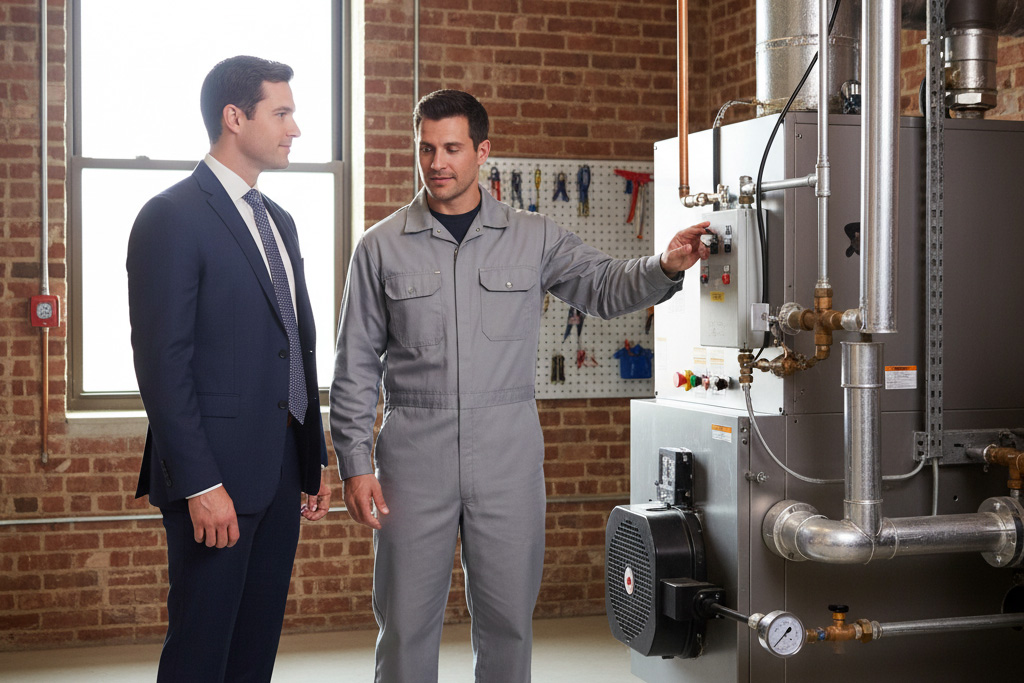
Introduction to Boiler Lifespan
Understanding how long your boiler is expected to last is essential for planning both maintenance and future upgrades. Boilers typically last between 15 to 20 years, depending on the type of system, how often it’s used, and—most importantly—the level of regular maintenance it receives. Consistent upkeep, such as annual inspections and timely repairs, can help extend the life of your boiler and ensure it continues to operate efficiently. On the other hand, neglecting maintenance can lead to premature wear and unexpected breakdowns, making early replacement necessary. When evaluating your current system, always consider the age of your boiler alongside its performance and reliability. Proactive planning based on the typical lifespan of boilers allows you to budget for replacement and avoid disruptions to your comfort or business operations.
Why Commercial Boilers Last Longer Than Other Heating Systems
Unlike forced-air systems that rely on blowers, ducts, and a range of moving parts, boilers operate on a simpler principle: heating water to provide hot water for heating systems and distributing it through pipes and radiators. The heat exchanger inside the boiler transfers heat from the fuel to the water, and advanced models, such as condensing boilers, may use secondary heat exchangers to capture and recycle heat from exhaust gases, improving energy efficiency and reducing fuel consumption. Gas-fired boilers are popular for their efficiency and lower fuel costs compared to oil-fired models, making them a common choice for many businesses. Oil-fired boilers, however, are more common in areas without natural gas access but require more maintenance than gas models. Consistent hot water delivery is crucial for comfort and efficient heating performance. This design means fewer mechanical components that wear out over time. With no ducts to collect dust and debris, boilers also tend to run cleaner and more efficiently. Additionally, the materials used in commercial boilers—such as cast iron boilers or steel—are incredibly durable and built to withstand years of heavy use in demanding environments.
It’s not unusual for a well-maintained commercial boiler to last 20 to 30 years, and in some cases even longer. In contrast, a commercial furnace or rooftop unit may only provide 15 to 20 years of reliable service before needing replacement. This long service life makes boilers a smart investment for businesses that want to reduce the frequency and cost of replacing major heating equipment.
Boiler System Options
When it comes to replacing a boiler or thinking about boiler installation, understanding your options is the first step toward a comfortable, energy-efficient home. Installing a boiler is a significant investment, and professional guidance is essential to ensure safety, efficiency, and the best fit for your property. Today’s market offers a range of boiler systems, each designed to meet different needs, budgets, and home layouts. Electric boilers, while less common due to higher operating costs, are compact and easy to install, making them a viable option for certain applications. Homeowners can expect to pay between $3,500 and $8,000 for a new boiler installation, depending on the type and size of the system.
One of the most important factors to consider when installing a boiler is energy efficiency. High efficiency boilers, including condensing boilers, are engineered to deliver more heat with less fuel, helping you save on energy bills while reducing your environmental footprint. Boilers with a 90% AFUE rating or higher are known as condensing units, which recycle heat from exhaust gases, further enhancing their efficiency. Many high-efficiency boilers qualify for rebates and tax credits, making them a more affordable option in the long run. Condensing boilers produce condensation and require additional installations like a drain line, which should be factored into the overall installation process.
The type of heating system you select also plays a big role in your home’s comfort. Radiant floor heating, for example, is gaining popularity for its ability to provide consistent heat throughout your living spaces. Radiant floor heating is a form of hydronic heating, which uses hot water circulated through pipes to provide warmth. By circulating warm water through tubes installed beneath your floors, radiant systems create a gentle, even warmth that’s both efficient and luxurious—perfect for those chilly mornings.
Boiler replacement cost can vary widely, depending on the type of system you choose, its energy efficiency, and the complexity of the installation process. Factors like the size and capacity requirements of your home, labor complexity, and system type compatibility all influence the final price. When installing a boiler, it’s important to consider system compatibility, efficiency, and the specific needs of your home. If the cost to repair a boiler exceeds the potential savings from repairs, replacement is often more cost-effective.
If you’re upgrading from an older system, compatibility is key. A professional boiler installation ensures that your new boiler integrates seamlessly with your current setup, whether you’re adding radiant floor heating or upgrading to a high efficiency model. This not only guarantees optimal performance and efficiency but also provides peace of mind knowing your system is installed safely and correctly.
When choosing the right system, it’s important to select the right boiler replacement for your home by considering factors such as energy efficiency, fuel type, heat distribution, and your comfort needs. Professional guidance can help you make the best choice for long-term performance and comfort.
When evaluating fuel types and efficiency, natural gas is a popular choice for modern boilers due to its high efficiency, lower emissions, and environmental benefits compared to oil or propane. If natural gas is available in your area, it can be an excellent option for both new installations and fuel source conversions.
Connecting with a local Carrier dealer is a great way to get expert advice and top notch installation services tailored to your home. Carrier dealers are dedicated to providing professionally installed heating systems that deliver consistent heat and long-term reliability. They can help you navigate the many options available, from high efficiency boilers to advanced heating and cooling products, ensuring you get the right system for your 2000 sq ft house or any other space.
Proper sizing is another critical consideration. A skilled HVAC technician will evaluate your home’s unique requirements, taking into account factors like square footage, insulation, and your family’s comfort preferences. Larger homes or those with higher heating demands will require a bigger boiler, which increases the price. This ensures your new boiler isn’t too large or too small, which can impact both energy efficiency and system longevity.
Remember, boilers typically last 15 to 20 years with regular maintenance, but choosing the right system and having it professionally installed can extend its lifespan and enhance performance. Regular tune-ups and timely repairs will keep your system running smoothly, helping you avoid unexpected breakdowns and costly repairs.
If you’re ready to explore your options or have questions about boiler replacement, don’t hesitate to connect with a local Carrier dealer. Their expertise in the boiler installation process and commitment to customer satisfaction make them the ideal partner for your next heating upgrade. With the right guidance, you can enjoy a warmer, more comfortable home—and the peace of mind that comes with a professionally installed, energy-efficient boiler system. To learn more about new boiler replacements and how to get started, reach out to your local expert today.
Why Proper Installation Extends Commercial Boiler Lifespan
While the design of a boiler contributes to its long lifespan, the quality of installation is equally important. A commercial boiler is a complex system that must be sized correctly for your building’s specific heating needs. Improper sizing, poor piping, or incorrect venting can drastically shorten the life of your equipment and lead to costly breakdowns. New Jersey requires all boiler installations to comply with strict safety standards to prevent hazards like carbon monoxide leaks, ensuring both safety and efficiency. Additionally, a permit from Trenton’s building department is required for boiler installation to ensure safety and efficiency. The city inspector will perform a final inspection to ensure compliance with New Jersey’s Uniform Construction Code and all relevant building code requirements after boiler installation.
That’s why it’s essential to work with technicians who specialize in commercial heating systems. Residential HVAC technicians or general maintenance workers may not have the training, tools, or knowledge to handle the complexities of a commercial boiler. Always use a licensed, reputable HVAC contractor for boiler installation to ensure the job is done correctly and safely. Our team is fully equipped with the expertise and experience required to ensure that your boiler installation is seamless, streamlined, and set up for decades of reliable performance.
Boiler Replacement Cost and Factors
Understanding boiler installation costs is a crucial step for any homeowner or business owner thinking about boiler installation or replacing a boiler. The total boiler replacement cost can vary widely, and knowing what drives these costs will help you make the right decision for your property and budget.
One of the biggest factors is the type of boiler you choose. High efficiency boilers, including condensing boilers, are designed to deliver optimal performance and energy efficiency, but they often come with a higher upfront price tag. High-efficiency boilers generally have a higher upfront cost compared to standard models. However, these systems can significantly lower your energy bills over time, making them a smart investment for long-term savings. For a 2000 sq ft house, a high efficiency boiler can provide consistent heat and reliable comfort, especially when paired with advanced heating and cooling products from trusted brands like Carrier. It’s important to weigh the initial cost against the potential energy savings to determine the best option for your needs.
Size and capacity requirements also play a major role in determining the right boiler replacement for your needs. A boiler that’s too small won’t keep your space comfortable, while an oversized unit can waste energy and increase costs. Skilled HVAC technicians understand how to assess your home’s unique needs, taking into account factors like square footage, insulation, and your existing system. This ensures your new boiler is perfectly matched for optimal performance and efficiency.
The complexity of the installation process is another important consideration. If your existing system requires significant updates—such as new piping, venting, or compatibility with baseboard systems—this can affect both the timeline and the overall cost. All gas or oil boiler installations must vent waste gases through a flue to the outside, ensuring safe operation and compliance with safety standards. That’s why it’s essential to work with a professional who can provide top notch installation services tailored to your specific situation.
On average, homeowners can expect boiler replacement costs to range from $3,500 to $8,000 or more, depending on the type of system, energy efficiency, and labor involved. Labor costs are a significant part of the total price, as installation complexity and the expertise required can greatly influence the final amount you pay. While boilers can be expensive to replace, investing in a professionally installed heating system offers peace of mind, reliable performance, and long-term energy savings. Many HVAC companies offer financing plans to help spread the cost of a new boiler installation, making it more accessible for homeowners. Scheduling boiler installation during the off-season may reduce costs due to lower demand for HVAC professionals. Regular maintenance is also key to protecting your investment and ensuring your new boiler delivers consistent heat for years to come.
If you have questions about boiler replacement or want to understand the factors involved in choosing the right system, connecting with a Carrier dealer on boiler replacement is a smart move. Carrier dealers are dedicated to providing expert advice, answering your most asked questions about boiler replacement, and delivering notch installation services tailored to your needs. Whether you’re upgrading to high efficiency boilers or exploring options for a new boiler in your 2000 sq ft house, their expertise ensures you get the right system for your comfort and budget. Additionally, shop around for quotes from multiple HVAC contractors to find the best price for your boiler installation.
In summary, understanding boiler installation costs and the benefits of professional installation will help you make an informed decision. By working with a good dealer on boiler projects, you can enjoy optimal performance, energy efficiency, and the peace of mind that comes with a professionally installed, well-maintained heating system. Reach out today to connect with a Carrier for your boiler needs and experience the benefits of top notch installation services.
How Regular Maintenance Maximizes Your Boiler’s Lifespan
Even the best installation won’t protect your boiler if it isn’t maintained properly. Routine maintenance helps prevent issues such as corrosion, mineral buildup, and pressure problems—all of which can shorten the life of your system. A key maintenance step is an annual boiler inspection; commercial boilers should be inspected and serviced at least once a year to catch small problems before they turn into major repairs. The contractor is also responsible for the proper disposal of the old boiler in an environmentally responsible manner, ensuring compliance with environmental standards.
In addition, having an experienced technician perform regular tune-ups ensures your boiler operates at peak efficiency. This not only extends the lifespan of your equipment but also lowers energy costs and improves comfort throughout your building.
When to Call Experts for Commercial Boiler Repairs
Finally, when repairs are necessary, calling in a specialist makes all the difference. Quick, accurate diagnosis and precise repairs help minimize downtime and prevent further damage to your system. With a commercial boiler, every detail matters—from pressure controls to water treatment—so you want a team that understands the intricacies of these systems. And our team is ready to help!
Signs That Indicate Replacement
Knowing when to replace your boiler is key to maintaining a safe, comfortable, and energy-efficient environment. While boilers typically last 15 to 20 years with regular maintenance, there are clear signs that it may be time to consider a new boiler for your property. Recognizing these indicators early can help you avoid unexpected breakdowns, high energy bills, and inconsistent heat. Visible rust on the outside of a boiler likely indicates internal corrosion and potential replacement, as this can compromise the system’s integrity and efficiency.
Key Signs You May Need Boiler Replacement:
- Age of the Boiler: If your boiler is approaching or has surpassed the 15- to 20-year mark, it’s wise to start thinking about replacement. Older systems are less likely to deliver optimal performance and efficiency, and upgrading to a high efficiency boiler can provide significant energy savings.
- Rising Energy Bills: A sudden or steady increase in your energy bills often signals that your boiler is losing efficiency. Modern condensing boilers and high efficiency models are designed to maximize fuel use, helping you save on monthly costs.
- Frequent Repairs: If you find yourself calling for repairs more often, it may be more cost-effective to invest in a new, professionally installed heating system. Frequent breakdowns are a sign that your existing system is nearing the end of its useful life.
- Leaks or Corrosion: Visible leaks or signs of corrosion can indicate serious internal issues. Addressing these problems promptly with a professional boiler installation can prevent further damage and ensure safety.
- Inconsistent Heat: If your system struggles to provide consistent heat throughout your space, or if you notice cold spots, it may be time to upgrade. New boilers are engineered for even, reliable heating.
- Yellow Burner Flame: A yellow flame instead of a blue one can mean your boiler isn’t burning fuel efficiently, which can impact both safety and energy efficiency. Inefficient combustion can also produce carbon monoxide, a dangerous gas that poses serious health risks.
- Unusual Noises or Vibrations: Banging, whistling, or vibrating noises are often signs of internal wear or malfunction. These issues can compromise performance and should be evaluated by a professional.
If you notice any of these signs, a system upgrade may be necessary to ensure continued comfort and efficiency.
When replacing a boiler, it’s important to consider factors like energy efficiency, size, and capacity requirements to ensure your new system meets your needs. High efficiency boilers, including condensing models, offer advanced technology for lower energy bills and a reduced environmental footprint. Working with a reputable Carrier dealer ensures you receive top notch installation services and expert guidance on selecting the right system for your space.
The benefits of professional boiler installation go beyond just peace of mind. A professionally installed heating system is tailored to your property, ensuring optimal performance and efficiency from day one. Regular maintenance, such as annual inspections and cleanings, will help your new boiler deliver consistent heat and reliable operation for years to come.
If you’re noticing any of these signs or have questions about boiler replacement, connect with a Carrier dealer to explore your options. Their expertise in the boiler installation process and commitment to customer satisfaction will help you achieve a safe, efficient, and comfortable environment—no matter the size or type of your property.
Boiler Replacement FAQs
When it comes to replacing your boiler, it’s natural to have questions about the process, costs, and benefits. Here are some of the most frequently asked questions about boiler replacement to help you make informed decisions about your heating systems:
How long do boilers typically last?
Boilers typically last 15 to 20 years with regular maintenance. Factors such as usage, fuel type, and the quality of installation can influence their lifespan.
How much does a new boiler cost?
The cost of a new boiler can vary widely based on the type, size, and efficiency of the system you choose. High efficiency models may have a higher upfront cost but can save you money on energy bills over time.
What are the benefits of professional installation?
The benefits of professional installation include optimal system performance, improved energy efficiency, enhanced safety, and peace of mind knowing your new boiler is installed correctly. A professional can also ensure your new boiler is properly sized and compatible with your existing system.
What factors should I consider when selecting a new boiler?
When choosing a new boiler, consider factors such as energy efficiency, fuel type, system compatibility, and the specific heating needs of your home or business. Consulting with an expert can help you select the right system for long-term comfort and savings.
If you have more questions about boiler replacement or want to explore your options for a new boiler, reaching out to a trusted professional is the best way to get personalized advice for your situation.
Connecting with a Provider
Choosing the right provider is a crucial step in the boiler installation process. Working with a reputable Carrier dealer ensures you receive top notch installation services and expert guidance every step of the way. Carrier dealers are known for their commitment to quality, offering professionally installed heating systems that deliver optimal performance and long-term reliability. When selecting a provider, look for experience, positive customer reviews, and strong warranty offerings to give you peace of mind. A skilled HVAC technician will walk you through the entire process, from selecting the right system to ensuring your new boiler is installed safely and efficiently. By partnering with a trusted provider, you can be confident that your heating system will provide consistent comfort and efficiency for years to come.
Conclusion and Next Steps
Boiler installation is a significant investment, and making the right choice involves understanding the benefits of professional installation, the costs involved, and the key factors to consider when replacing a boiler. By prioritizing consistent heat, energy efficiency, and peace of mind, you can ensure your new system meets your needs both now and in the future. Connecting with a reputable provider, such as a Carrier dealer, is the best way to guarantee a successful installation and long-term satisfaction. Take the time to assess your current system, explore your options, and consult with an expert to enjoy the benefits of a professionally installed heating system. With the right approach, you’ll experience reliable comfort, lower energy bills, and the confidence that comes from making an informed decision about your home or business’s heating needs.